
 Sloane R.
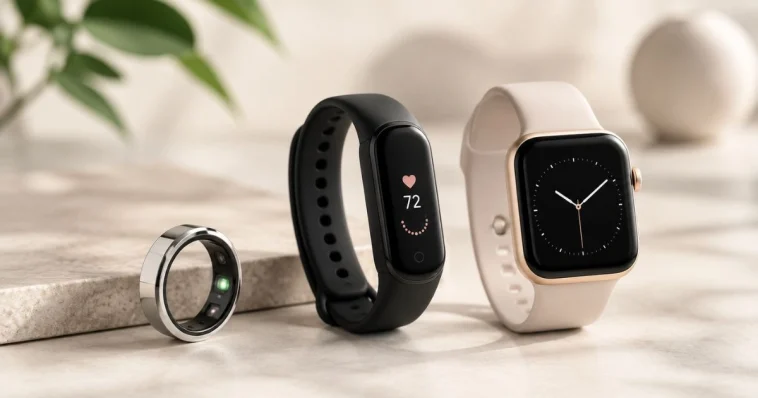
Technology is making personal healthcare more accessible than ever, and AI wearables are leading the way. These smart devices do much more than count steps. Many can track heart rate, monitor sleep, detect falls, measure blood oxygen levels, and even identify unusual health patterns that may need attention. Some models also provide medication reminders, emergency alerts, and health insights that become more useful over time.
For older adults, these features can support greater independence while giving family members extra peace of mind. For everyone else, AI-powered wearables make it easier to understand daily habits, improve fitness routines, and stay informed about overall wellness. As artificial intelligence continues to improve, these devices are becoming more accurate and personalized.
With so many options available, choosing the right wearable can feel overwhelming. Some focus on medical-grade monitoring, while others are designed for fitness, sleep tracking, or everyday health management. Understanding the key differences makes it much easier to find a device that fits individual needs and budgets.
Who Can Benefit From AI Wearables?
AI wearables are no longer limited to athletes or technology enthusiasts. They have become practical tools for a wide range of users, especially those who want to stay informed about their health without making frequent clinic visits.
Older adults often benefit from features such as fall detection, heart rhythm notifications, medication reminders, and emergency assistance. These tools can provide reassurance without replacing professional medical care. Family members may also appreciate the ability to receive alerts if something unusual happens.
Working professionals, active adults, and people managing long-term health conditions can also benefit. Many devices automatically collect health data throughout the day, helping users identify patterns related to sleep, stress, activity levels, and recovery.
Why AI Is Changing Health Wearables
Traditional fitness trackers mainly recorded information such as step counts and calories burned. AI has significantly expanded those capabilities by analyzing data, recognizing patterns, and delivering personalized recommendations.
Instead of simply displaying numbers, many devices now identify trends over days or weeks. For example, a wearable may detect that sleep quality has declined, resting heart rate has increased, or physical activity has decreased. Rather than presenting isolated measurements, AI connects these changes to provide more meaningful insights.
Some advanced devices can also recognize irregular heart rhythms, monitor stress levels, and estimate recovery after exercise. Although these features should never replace medical advice, they can encourage users to seek professional evaluation when something appears abnormal.
Key Features Worth Considering
Every wearable offers a different combination of features. Rather than focusing only on the newest technology, it helps to consider which functions are most relevant to everyday life.
Important features include:
- Continuous heart rate monitoring
- Sleep tracking and sleep quality analysis
- Blood oxygen (SpO2) monitoring
- Fall detection and emergency alerts
- GPS location services
- Medication reminders
- Stress tracking
- Activity and fitness monitoring
- Long battery life
- Water resistance
Ease of use is equally important. Large displays, simple menus, comfortable straps, and reliable mobile apps often make a bigger difference than having dozens of advanced features that rarely get used.
Battery performance should also be considered. Some smartwatches require daily charging, while others can operate for a week or more before needing to recharge.
Comparing Popular Types Of AI Wearables
Different wearable devices are designed for different needs. Understanding their strengths can help you narrow down your options before comparing specific models and features.
Each category offers distinct advantages. A smartwatch may be ideal for someone who wants communication features alongside health tracking. At the same time, a dedicated medical alert device may better serve an older adult who values emergency assistance above everything else.
Accuracy And Limitations
AI wearables have improved considerably over the past several years, but they are not perfect. Their measurements are generally accurate enough for tracking trends, yet readings can still vary depending on skin tone, sensor placement, movement, temperature, and how the device is worn.
For that reason, these devices should be viewed as health companions rather than diagnostic tools. A sudden change in heart rate, blood oxygen level, or sleep pattern may be useful information. Still, it should always be discussed with a healthcare professional if symptoms develop or concerns persist.
Understanding these limitations helps set realistic expectations. The greatest value of an AI wearable often comes from observing long-term patterns rather than focusing on a single reading at a given moment.
Best AI Wearables For Seniors
Not every wearable is designed with older adults in mind. Some prioritize fitness metrics, while others focus on safety, ease of use, and health monitoring. The best option depends on individual needs, whether that means emergency assistance, heart monitoring, or simple daily activity tracking.
Comfort and simplicity should also be part of the decision. A wearable that is difficult to navigate or requires frequent charging may not be practical for everyday use.
Apple Watch
The Apple Watch remains one of the most feature-rich smartwatches available. Models with advanced health features include fall detection, emergency SOS, ECG, notifications for irregular heart rhythms, blood oxygen monitoring, and medication reminders.
The large display and intuitive interface make it easier to navigate than many competing smartwatches. It is particularly suitable for seniors who already use an iPhone and want both health-tracking and communication features in a single device.
Google Pixel Watch
The Google Pixel Watch combines smartwatch functionality with Fitbit-powered health tracking. It monitors heart rate, sleep, physical activity, stress levels, and overall wellness, and offers emergency assistance features.
Android users may appreciate its seamless integration with Google services, making it a strong alternative for those outside the Apple ecosystem.
Fitbit Charge Series
For people who prefer something smaller than a smartwatch, Fitbit’s Charge series remains a reliable option. It offers continuous heart rate tracking, sleep analysis, stress management tools, activity monitoring, and long battery life.
Its lightweight design makes it comfortable to wear day and night, allowing users to build a more complete picture of their daily health habits.
Medical Alert Wearables
Dedicated medical alert devices focus primarily on personal safety rather than fitness tracking. Many include automatic fall detection, emergency call buttons, GPS location tracking, and two-way communication with emergency response centers.
These wearables are especially valuable for seniors living independently or at higher risk of falls. While they may lack advanced fitness features, they provide reassurance for both users and family members.
Best AI Wearables For Everyday Health Monitoring
Many people are interested in monitoring their health without needing medical-specific equipment. Several AI-powered devices strike a balance between wellness tracking, fitness features, and everyday convenience.
Choosing the right device depends largely on which health metrics matter most.
Smart Rings
Smart rings have become increasingly popular because they offer continuous health tracking in a discreet form. Despite their small size, many monitor sleep quality, heart rate, body temperature trends, and recovery metrics.
Their lightweight design makes them comfortable to wear around the clock, especially for users who dislike wearing watches while sleeping.
Fitness Trackers
Fitness trackers remain an excellent choice for users who want straightforward health monitoring without the added distractions of a full smartwatch.
Most models measure daily activity, calories burned, sleep stages, heart rate, and exercise performance. Many also provide reminders to move throughout the day, encouraging healthier routines.
Advanced Smartwatches
Modern smartwatches continue to expand beyond fitness. Many now estimate stress levels, analyze sleep quality, monitor blood oxygen, detect irregular heart rhythms, and provide guided breathing exercises.
Some devices also use AI to identify changes in health patterns over time, offering personalized suggestions based on long-term trends rather than isolated readings.
Privacy And Data Security Matter
Health information is among the most sensitive types of personal data. Before purchasing a wearable, it is worth understanding how the manufacturer stores, protects, and uses the information it collects.
Most reputable brands encrypt health data during transmission and storage. Many also allow users to control which information is shared with healthcare providers, family members, or third-party apps.
Reviewing privacy settings after setup is equally important. Users can often decide whether to enable cloud backups, location sharing, personalized recommendations, or research participation.
Software updates should not be ignored. Manufacturers regularly release security improvements that help protect personal information, enhance device performance, and add new features.
How To Choose The Right AI Wearable
With so many devices available, selecting the right one is easier when you focus on everyday needs rather than technical specifications.
Someone primarily interested in fitness may benefit from a lightweight tracker with long battery life. A person managing a chronic health condition may place greater value on ECG monitoring, blood oxygen measurements, or medication reminders. Seniors living alone may prioritize fall detection and emergency assistance over workout tracking.
Budget is another important consideration. Higher-priced devices often include more advanced sensors and additional smart features, but many affordable models provide reliable health tracking for everyday use.
Compatibility should also be checked before purchasing. Some wearables work best within specific smartphone ecosystems, while others support both Android and iPhone devices. Choosing a compatible device helps ensure access to all available features, software updates, and health reports.
Tips For Getting The Most From An AI Wearable
Buying an AI wearable is only the first step. To get the most accurate insights, it helps to wear the device consistently and keep its software up to date. Most wearables become more useful over time because AI analyzes trends rather than relying on a single day’s data.
Taking a few minutes to customize settings can also improve the experience. Many devices allow users to adjust heart rate alerts, sleep goals, activity reminders, medication notifications, and emergency contacts. These features work best when they reflect individual routines and health needs.
It is also important to review health reports regularly rather than focusing on day-to-day fluctuations. Small changes in sleep, activity levels, or heart rate are normal. Tracking weekly or monthly trends provides a clearer picture of your overall health and makes it easier to identify patterns and habits that may need attention.
Common Mistakes To Avoid
One of the biggest mistakes is expecting an AI wearable to replace medical care. While these devices can provide helpful information, they are designed to support health monitoring rather than diagnose illnesses or prescribe treatment.
Another common mistake is buying a device based only on its longest list of features. Many people end up paying for advanced functions they rarely use. Choosing a wearable that matches everyday habits often provides a better experience than selecting the most expensive model.
Battery life is another factor that is sometimes overlooked. A smartwatch with excellent health features may become less useful if it requires daily charging and is frequently left off the wrist. Comfort is equally important, especially for devices intended to monitor sleep or provide continuous health tracking.
Finally, many users skip privacy settings during setup. Reviewing permissions, enabling security features, and understanding how health data is stored can help protect personal information.
Are AI Wearables Worth Buying?
For many people, AI wearables are a worthwhile investment because they encourage greater awareness of daily health habits. Tracking activity, sleep, heart rate, and stress over time can motivate healthier decisions and make it easier to spot meaningful changes.
For seniors, the benefits often extend beyond fitness. Features such as fall detection, emergency alerts, medication reminders, and health notifications can support independent living while providing reassurance for family members. These tools are especially valuable when combined with regular medical care and healthy lifestyle habits.
The value of an AI wearable ultimately depends on choosing the right device. A wearable that fits comfortably, delivers accurate tracking, and offers features that are actually used is more likely to become part of a daily routine than one filled with unnecessary extras.
Choosing The Right AI Wearable For Long-Term Health
The best AI wearable is not necessarily the one with the most advanced technology. It is the one that fits individual needs, lifestyle, and comfort level while providing reliable health insights. Some users may prioritize safety features such as fall detection and emergency assistance, while others may focus on fitness tracking, sleep analysis, or stress management.
Comparing features, battery life, ease of use, smartphone compatibility, and data privacy policies can make the decision much easier. Investing a little time in research helps ensure the device continues to provide value long after the initial purchase.
As AI continues to improve, wearable technology is expected to become even more personalized. While these devices should never replace professional healthcare, they can serve as valuable tools to support healthier habits, encourage early awareness of potential issues, and help users stay engaged with their overall well-being.