
 Sloane Rafferty
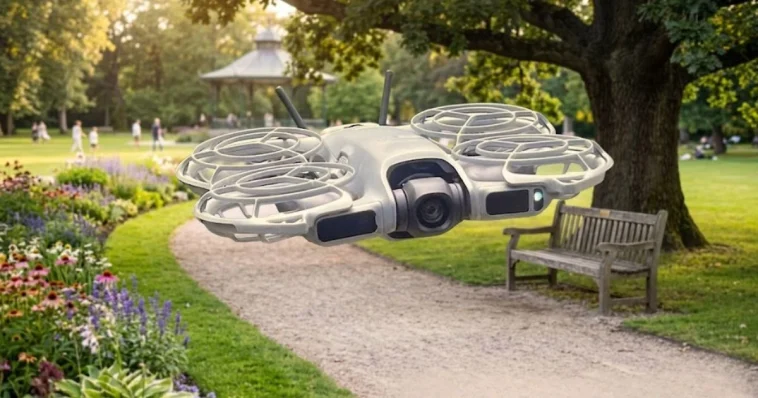
The DJI Neo 2 continues to attract attention in a busy drone market by bringing advanced camera and flight technology to a compact, lightweight package. This follow‑me camera drone is designed for people who want a capable aerial camera that feels easy to use. It blends high‑quality video, smart tracking features, and safety systems into a design that stays under many flight regulation weight limits, making it appealing to beginners and casual content creators.
Unlike many flagship drones that focus strictly on professional filmmaking, the Neo 2 makes creative flight easier without a steep learning curve or a large gear bag. Its mix of automated flight modes, solid camera performance, and intuitive controls has made it one of the most talked‑about compact drones in recent months.
This guide takes a close look at the Neo 2’s design, confirmed capabilities, real‑world performance, and how it compares to other drones in the same category.
Compact And Intelligent Design
The lightweight body of the DJI Neo 2 drone is one of its most valuable features. Weighing about 151 grams, it stays under many regulatory thresholds that require registration or extra permits in some countries. This makes it much simpler to bring along on hikes, family outings, or travel without worrying about heavy cases or elaborate setups.
Even at this small size, the Neo 2 feels sturdily built and practical. It includes physical buttons and a small onboard display for mode information, so users can launch and control the drone without always needing a phone or a remote. That means it is ready to fly quickly when inspiration strikes.
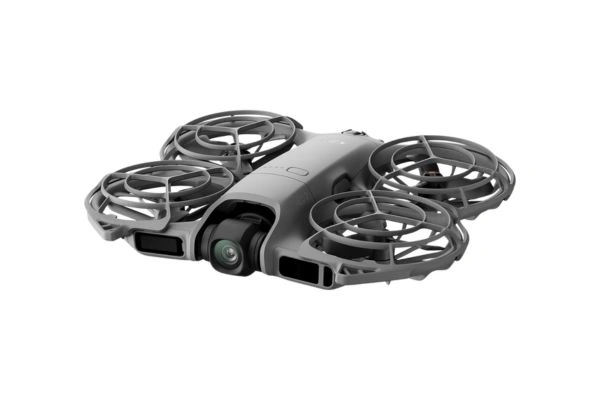
This design focuses on simplicity and portability, which helps the drone appeal to people who want spontaneous aerial footage rather than a complicated kit. It also means the drone can fit into a backpack pocket or travel bag and be ready to use in under a minute when needed.
The combination of physical controls and optional smartphone or controller connection gives users flexibility in how they fly the drone. Novices can use automatic modes with minimal setup, while those with some experience can choose more direct control for precise shots.
Powerful Camera And Video Capabilities
Despite its small size, the Neo 2 delivers impressive imaging features for its class. It uses a 12‑megapixel 1/2‑inch CMOS sensor paired with a two‑axis mechanical gimbal that helps keep footage steady during flight, even when moving or in mild wind conditions.
The drone can record 4K video at up to 60 frames per second, and it also supports 4K at 100 fps for smoother slow‑motion footage, giving creative flexibility for different styles of video content.
This imaging setup makes the Neo 2 suitable for travel clips, social media content, and everyday aerial storytelling. While it is not positioned as a professional cinema rig, it delivers very solid results for its lightweight category.
The two‑axis stabilisation and video capabilities also make footage look smooth and professional without demanding advanced piloting skills. Users can achieve crisp aerial shots with minimal fuss, making the drone a great option for those who want quality footage first and foremost.
Intelligent Flight Features And Tracking
Tracking technology on the DJI Neo 2 has improved notably compared with earlier compact models. The drone includes ActiveTrack, which keeps the subject in the frame as they move. This makes capturing dynamic shots easier, especially when walking, running, or cycling.
This follow‑me style tracking is designed to adjust the drone’s orientation and keep subjects centered, even when they change direction or speed. Users can focus on the activity they are shooting while the drone manages smooth framing.
In addition to ActiveTrack, the drone supports creative automated flight modes such as SelfieShot, QuickShots, and MasterShots. These modes provide automated movement and framing that help beginners produce dynamic video without manual piloting skills.
These features work together to make creative aerial videography accessible. They allow novice users to focus on composition and storytelling rather than the technical complexities of flying and framing simultaneously.
Omnidirectional Obstacle Avoidance For Safer Flying
A major safety improvement on the Neo 2 is its omnidirectional obstacle sensing. This system uses a combination of vision sensors and forward‑facing LiDAR to detect obstacles around the drone in real time, helping prevent collisions during flight.
This sensing system makes autonomous and assisted flight modes safer, especially in environments such as wooded areas, near buildings, or around crowds. It can slow or stop the drone when it approaches a detected object, helping reduce accidents during automatic modes.
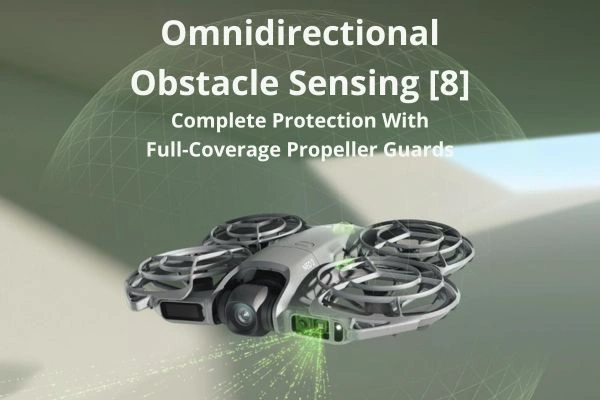
Real‑world users and testers consistently note that obstacle detection gives them confidence when flying close to obstacles or in tight spaces, even though no system is perfect. In many documented cases, the sensing has helped avoid trees and unexpected obstacles, though very thin branches or certain surfaces may still be difficult to detect.
Overall, this safety system is a big advantage for beginners and casual flyers who may not have developed advanced piloting instincts yet.
Battery Life And Flight Performance
Like most compact drones, the Neo 2’s battery life is a trade‑off between performance and size. Most reviews and tests report about 15 to 19 minutes of flight time per battery, which is typical for this class of drone.
While this is shorter than larger drones with bigger batteries, it is reasonable for quick shoots or everyday content capture. For longer outings, many users find it useful to carry one or two extra batteries to minimise downtime.
Flight performance is steady and reliable in moderate wind conditions, and the drone maintains a smooth flight path during both automatic and manual control. It is not designed for high‑speed professional shoots, but it handles most everyday aerial filming needs with ease.
Combined with the smart obstacle sensing and intuitive controls, the flight experience feels accessible even to first‑time pilots. Beginners often report that the drone feels predictable and easy to manage right from their first flights.
How It Compares To Other Drones
When compared with other compact consumer drones, the Neo 2 offers a unique balance of smart automation and ease of use. Larger DJI drones, such as the DJI Air series, provide more advanced sensors, longer flight times, and professional‑level video features. However, these drones also cost more and can be harder to fly for beginners.
Smaller, budget alternatives often lack advanced flight modes or obstacle sensing, making them feel limited for creative use. The Neo 2, by contrast, adds tracking, obstacle avoidance, and automated shooting modes that make it easier to produce professional‑looking footage without a lot of training.
Many users prefer the Neo 2 simply because it is lighter, quicker to launch, and easier to pack without sacrificing key features most people want for everyday aerial photography.
Recommended Accessories And Enhancements
To get the most out of a DJI Neo 2 drone, a few accessories are worth considering. Official or reputable third‑party options include:
DJI Neo 2 Intelligent Flight Battery – Provides extra flight time on long days.
DJI Neo 2 Two‑Way Charging Hub – Makes charging multiple batteries easier and more organised.
DJI Neo 2 Digital Transceiver – Offers improved connection and transmission range when paired with compatible controllers or accessories.
Protective Carrying Case – Helpful for transporting the drone safely when travelling or hiking. (Common accessory sold by many third‑party brands)
These accessories extend flight time, improve overall usability, and help the drone stay ready for many different shooting situations.
Frequently Asked Questions About DJI Neo 2
What Is the Typical Flight Time of the Neo 2?
The Neo 2 usually provides around 13 to 19 minutes per battery, depending on conditions such as wind and flight speed. For longer outings, extra batteries or a fly-more combo are recommended.
Does the Neo 2 Support External Memory Cards?
The drone relies on internal storage of about 49GB for photos and videos. It does not have a microSD card slot, so all footage is stored internally.
Can the Drone Track Moving Subjects?
Yes, the Neo 2 uses ActiveTrack to follow walking, running, or cycling subjects. It keeps subjects centered in the frame and adjusts orientation smoothly during motion.
Is the Neo 2 Beginner-Friendly?
Absolutely. Its lightweight design, intuitive controls, and automated flight modes make it very approachable for beginners, allowing them to capture quality footage with minimal setup.
Can the Drone Be Flown Without a Controller?
Yes, the Neo 2 supports gesture control and simple onboard commands, allowing limited flight without a smartphone or full controller. This is useful for quick selfies or hands-free filming.
How Does the Drone Handle Wind?
The Neo 2 is stable in light to moderate wind, but its light weight makes it less suitable for very gusty conditions. Pilots should exercise caution and avoid strong wind situations.
Who Should Consider The DJI Neo 2?
The Neo 2 is ideal for people who want reliable aerial footage without the cost or complexity of professional gear. It attracts travelers, casual content creators, families documenting outdoor activities, and anyone interested in aerial videography without hours of training.
Its easy control modes and smart automation make it friendly for beginners, while features like ActiveTrack and omnidirectional sensing appeal to more experienced flyers who want quick and impressive results.
That said, users seeking very long flight times, advanced low‑light imaging, or professional‑grade video features may prefer larger, higher‑end drones. For everyday use and spontaneous aerial content, the Neo 2 remains a compelling choice.