
 Sloane Rafferty

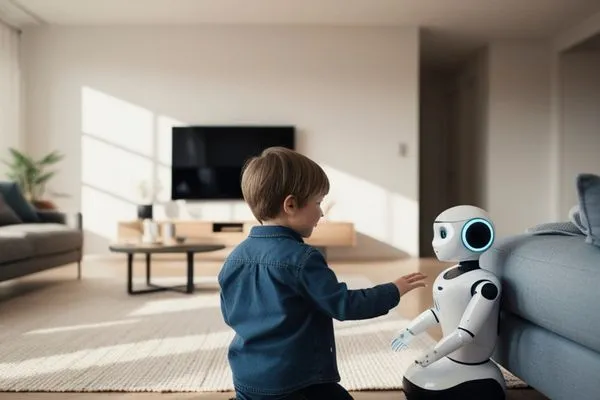
Home robots were once limited to basic floor cleaning and often struggled with simple obstacles, making them feel more like novelties than true helpers. This year marks a turning point, as a new generation of home robots is taking on real household chores beyond vacuuming, including laundry folding, home monitoring, grocery carrying, assistance for older adults, and light kitchen tasks. Advances in robotics and artificial intelligence have transformed these machines into practical household tools, signaling a shift from gimmicks to genuinely functional home support systems.
The Big Shift: From Single-Task Gadgets to Household Helpers
Single-purpose machines dominated the early era of home robotics. Vacuum robots vacuumed. Mops mopped. Window-cleaning robots clung nervously to glass. Each device did one thing, often imperfectly, and needed frequent human rescue.
This year’s biggest leap is not just better motors or sleeker designs. It is intelligence and adaptability.
Modern home robots are increasingly built on three major upgrades:
- Advanced computer vision that allows robots to recognize objects, rooms, and people.
- Improved physical dexterity using multi-jointed arms, pressure-sensitive grippers, and balance systems.
- Smarter AI models that let robots plan tasks, respond to voice commands, and learn routines over time.
Instead of asking, “Can this robot clean?” the new question is, “What can this robot handle next?”
That shift has unlocked a surprising number of real household chores.
Cleaning Has Grown Up
Cleaning is still the gateway job for home robots, but it is no longer just about running in random patterns.
Smarter Floor Care
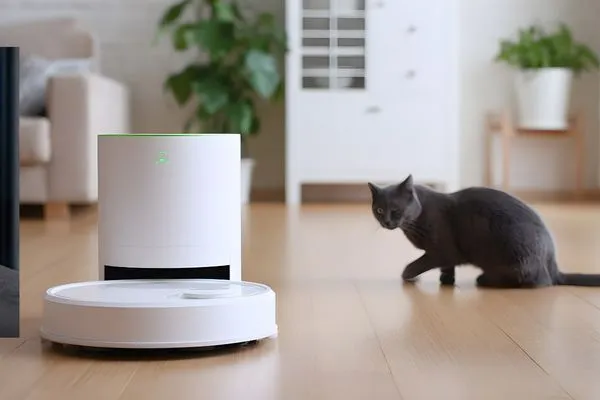
The latest robot vacuums and mops map homes with impressive precision. They identify carpets versus hardwood, avoid pet messes, recognize cables, and even detect heavily soiled areas that need extra attention.
Some newer models automatically remove and wash their own mop pads, empty their dust bins, and refill water tanks without human involvement. That means people can go weeks without touching the robot at all.
For busy households, this turns cleaning from a task into background maintenance.
Beyond the Floor
This year’s home robots are also moving upward.
Window-cleaning robots have improved suction control and navigation, making them safer and more thorough. Some robotic systems mounted on tracks or mobile bases can now wipe lower walls, baseboards, and even parts of kitchen cabinets.
There are also early consumer robots designed to clean bathroom surfaces, such as sinks, mirrors, and tiled walls. These are not perfect yet, but they are real, purchasable products that go far beyond vacuuming crumbs.
Cleaning is becoming a multi-surface job, not a one-trick performance.
Laundry: The Chore Everyone Hates, Slowly Falling to Robots
If you want to know whether robots are truly becoming useful, look at laundry. Laundry is messy, flexible, unpredictable, and deeply annoying. It has been a nightmare problem for robotics.
This year, progress is finally visible.
Folding Robots Enter the Home
Several home-scale laundry-folding robots and robotic stations are now being tested and sold in limited markets. These machines use cameras and soft robotic arms to recognize clothing types, smooth fabric, and fold items into neat stacks.
They are not lightning-fast. They still struggle with fitted sheets and silky materials. But for everyday shirts, towels, and pants, they work. And that alone feels huge.
Some smart washing machines and dryers are also pairing with robotic arms that can transfer clothes from the washer to the dryer and then to a folding surface. This begins to close the loop from dirty hamper to clean pile.
Sorting and Organization
Robots are also entering the earlier stages of the laundry process. Vision-enabled home robots can sort clothes by color, fabric type, or owner. Some can deliver laundry baskets to different rooms or closets.
It is not hard to imagine near-future systems in which a robot retrieves dirty clothes, runs the wash, folds items, and delivers stacks to the right bedrooms.
For parents, caregivers, and anyone drowning in laundry, this is not a gimmick. It is life-changing support.
Kitchen Help: Not Full Chefs, But Real Assistants
Despite the headlines, your home robot is not about to open a five-star restaurant in your kitchen. But this year’s robots are becoming surprisingly useful kitchen helpers.
Food Prep and Transport
Some new home robots can retrieve items from the fridge, carry ingredients, pour measured liquids, and place objects on counters or tables. This is especially impactful for people with mobility challenges or limited reach.
Robots are also being used to:
- Bring meals from the kitchen to the living spaces.
- Clear lightweight dishes and cups.
- Load and unload dishwashers in controlled environments.
- Monitor stovetops and alert users if something is burning or boiling over.
These are not flashy cooking demos. They are practical actions that save time and reduce strain.
Kitchen Monitoring
Vision-based home robots can now patrol kitchens, checking for spills, tracking grocery usage, and identifying when supplies are running low. Some integrate with smart refrigerators and inventory apps to create automated shopping lists.
A robot that notices you are out of milk and reminds you before breakfast is not dramatic. It is genuinely useful.
Home Organization and Delivery
One of the most underrated robotic abilities this year is object handling.
Newer home robots can recognize hundreds of common household items. That allows them to do things like:
- Pick up clutter from floors and return items to designated spots.
- Deliver objects between rooms.
- Help locate misplaced items using mapped memory.
- Restock shelves from storage bins.
Imagine telling your robot, “Bring me my charger,” and watching it navigate the house, identify the right cable, and deliver it. That scenario is already real in controlled home setups.
Organization is becoming a robotic chore, not just cleaning.
Elder Care and Assisted Living: A Quiet Robotics Revolution
One of the most meaningful areas for home robots this year is not flashy tech demos. It is daily assistance.
Physical Support
Some home robots are designed specifically to help older adults or people with disabilities. These machines can:
- Provide balance support while walking.
- Help people stand from seated positions.
- Carry heavy items.
- Retrieve dropped objects.
They are built with soft materials, carefully controlled forces, and responsive control systems. Safety is the primary design focus.
Daily Routine Support
Robots in assisted living environments now help with:
- Medication reminders.
- Meal delivery.
- Room monitoring for falls or unusual inactivity.
- Simple cleaning and organization.
For families, this adds a layer of independence and dignity for loved ones who want to stay in their own homes longer.
In this space, especially, home robots doing real chores is not about convenience. It is about the quality of life.
Pet Care: The Unexpected Robotics Boom
Pet owners are quietly becoming some of the biggest fans of home robots.
This year’s robotic pet systems can:
- Dispense food on schedules or through voice commands.
- Refresh water bowls.
- Scoop and clean litter boxes.
- Monitor pet behavior and alert owners to changes.
- Entertain pets with controlled movement and interactive play.
Some robots even recognize individual pets and adjust routines based on activity levels.
If you have ever rushed home worried about feeding time or cleaning a litter box after a long day, robotic pet care is not silly. It is freedom.
Why This Is Finally Working
So why are home robots actually useful now?
Three reasons stand out.
Better Eyes
Modern robots see better than ever. Cameras, depth sensors, and AI vision models allow them to recognize objects, surfaces, people, and obstacles with impressive accuracy. This is what makes multi-room navigation and object handling possible.
Better Hands
Robotic arms and grippers have improved dramatically. Soft robotics allows machines to hold delicate items like glassware or clothing without crushing them. Tactile sensors let robots detect slippage, pressure, and texture.
This is what enables laundry folding, dish handling, and object delivery.
Better Brains
The newest home robots are powered by advanced AI systems that combine vision, language, and planning. They can interpret commands, break chores into steps, and adjust actions when something unexpected happens.
Your robot no longer follows pre-programmed paths. It reasons, in its own mechanical way.
Realistic Limits (Because It’s Not a Movie)
As exciting as this year is, home robots are not magic.
They are still:
- Expensive, especially multi-purpose models.
- Slower than humans at most tasks.
- Limited in strength, reach, and environmental understanding.
- Dependent on structured homes for best performance.
Robots struggle with chaotic environments, complex cooking, deep cleaning, and emotional nuance. They cannot replace human judgment or care.
But they are no longer toys.
They are becoming tools.
How This Changes Daily Life
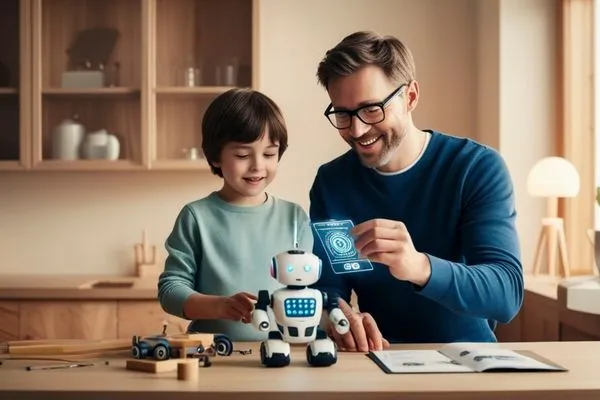
The real impact of home robots doing real chores is not about showing off gadgets. It is about time, energy, and mental load.
When a robot handles background tasks like cleaning, organizing, monitoring, and delivery, people gain:
- More free time.
- Less physical fatigue.
- Fewer daily interruptions.
- Reduced stress from clutter and routine chores.
It also changes how homes are designed. Builders and designers are starting to consider robot-friendly layouts, charging stations, wider paths, and integrated smart systems.
Homes are quietly becoming robotic ecosystems.
What to Expect Next
If this year marks the “real chores” era, the next few years will likely focus on:
- More affordable multi-task robots.
- Better integration with smart home systems.
- Expanded manipulation abilities.
- Stronger privacy and safety controls.
- Customizable personalities and routines.
More specialized robots are expected to emerge for niche households, including small apartments, large families, pet-focused homes, and elder care environments.
The future of home robotics is not one perfect humanoid but many helpful machines working quietly in the background.
When Home Robots Become Part of the Household
The most striking development in home robotics this year is not the futuristic appearance of the machines, but how ordinary their presence is becoming. Cleaning happens during work hours. Laundry folding continues overnight. Items are carried, reminders are issued, and household systems are monitored without drawing attention. These quiet, consistent actions represent the true milestone.
Home robots are no longer novelty devices moving aimlessly across floors. They are increasingly integrated into daily household functions, taking on tasks that are often neglected, physically demanding, or mentally draining. An era is emerging in which homes actively support their own upkeep, signaling a long-awaited shift in how domestic life is managed.